
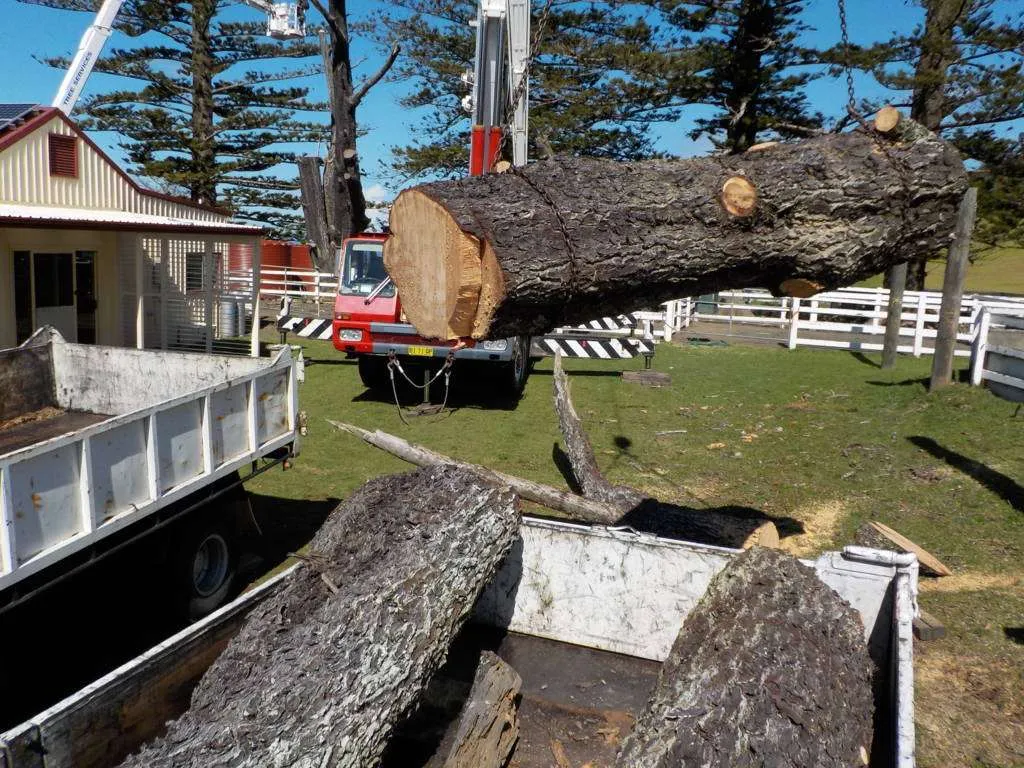
Commercial land clearing is rarely just a matter of bringing in machinery. Whether you are preparing a subdivision, a building site, a new access road or a fire break, the work that happens before clearing starts largely decides whether the project runs smoothly.
This guide is for developers, builders, civil contractors and landholders planning a clearing project in the Shoalhaven and surrounding regions. It focuses on planning: approvals, site information, sequencing and safety. For background on why clearing is needed in the first place, see our earlier article Why are Land Clearing Services Important?
Start with the approvals pathway
In NSW, the rules for clearing vegetation depend mainly on where the land is, how it is zoned and what the clearing is for. Getting this right early prevents expensive delays and the risk of penalties.
Development consent
If clearing is part of a development, such as a subdivision or new building, it is typically assessed as part of the development application. Check the conditions of consent carefully: they often specify which trees may be removed, which must be protected, and what must happen before clearing begins. Do not start work until the required approvals are in hand and any pre-clearing conditions have been met.
Non-rural land in the Shoalhaven
For clearing that is not part of a development consent on non-rural land, Shoalhaven City Council applies DCP 2014 Chapter G4 – Tree and Vegetation Management. Chapter G4 notes that Council can only issue permits for clearing native vegetation below the Biodiversity Offsets Scheme threshold. Clearing above the threshold, or on land mapped on the Biodiversity Values Map, requires a different approval pathway.
Biodiversity Offsets Scheme
The NSW Biodiversity Offsets Scheme may apply where proposed clearing exceeds area thresholds based on minimum lot size, or affects land on the Biodiversity Values Map. Where it applies, a biodiversity assessment by an accredited assessor is usually required. Check this before the design is locked in.
Rural land
On rural-zoned land, Shoalhaven City Council directs landholders in zones RU1 to RU4 to Local Land Services. The NSW Government’s native vegetation land management guidance explains land categories, allowable activities, Land Management Code notifications and certificates, and Native Vegetation Panel approvals. Statewide, other rural-type zones can also fall under this framework, so confirm the zoning of your site.
Bushfire-related clearing
Fire breaks and asset protection work may have their own pathways. The NSW RFS 10/50 vegetation clearing rules apply only to eligible properties within designated entitlement areas, so confirm eligibility rather than assuming it applies. The RFS advises checking its online tool on the day you clear.
Approval requirements are site-specific. A town planner, ecologist or the relevant authority should confirm what applies to your project. A&D carries out clearing in line with the approvals you hold.
Gather site information
Before quoting and scheduling, the clearing contractor will need to understand the site. Useful information includes:
- Approved plans and conditions, including tree retention and protection requirements.
- Survey and boundary information, with the clearing extent clearly marked on site.
- Underground and overhead services. Lodge a Before You Dig Australia enquiry and identify any powerlines crossing or near the site.
- Access for machinery and trucks, including gates, road conditions and stockpile areas.
- Ground conditions, such as slope, drainage lines and soft or wet areas.
- Environmental controls, such as sediment and erosion control requirements and protected areas.
- Neighbours and the public, especially near roads, homes or occupied buildings.
Plan the sequence
A typical commercial clearing sequence might include:
- set-out and marking of clearing boundaries and trees to be retained
- installation of required environmental and tree protection measures
- any required pre-clearing checks set by your approval conditions
- tree felling and removal
- grubbing and removal of stumps and roots
- processing of timber and green waste
- site clean-up, ready for earthworks or construction.
Agree in writing which areas are being cleared, which trees are being kept, and how the site will be left at handover.
Decide what happens to the material
Clearing produces a large volume of timber and green waste. Plan early whether material will be mulched, chipped, cut for firewood, retained on site or removed. Mulched material may be reusable on site, subject to your approval conditions and site requirements. A&D offers chipper hire and sells mulch and firewood.
Safety on the clearing site
Tree felling, heavy machinery, chainsaws and trucks on the same site create significant risks. The SafeWork NSW Code of practice – Tree works covers managing tree work risks, including felling, exclusion zones and work near powerlines. Since 1 July 2026, SafeWork NSW requires persons conducting a business or undertaking (PCBUs) to comply with approved codes of practice, or to manage risks to an equivalent or higher standard. On multi-contractor sites, agree on who controls the clearing area and how other trades and visitors are kept clear.
Where A&D can help
A&D Tree Services provides commercial land clearing across the Shoalhaven, Illawarra and Southern Highlands, including:
- housing and commercial development clearing
- new road construction vegetation management
- fire breaks and trails
- fence-line clearing
- vegetation management near power lines
- grubbing and removal of trees
- machine plant, chipper and cherrypicker hire.
Learn more on our land clearing Shoalhaven, land clearing Nowra and fire breaks pages.
Talk to us early
The earlier we are involved, the easier it is to plan access, sequencing and material handling around your program. When you request a quote, it helps to send approved plans and conditions, a clear description of the area to be cleared, access and timing constraints, and your preference for how timber and green waste should be handled. Photos of access points and any wet or steep ground also help us judge what machinery can get onto the site and when the work can proceed safely.
Request a free quote online or call (02) 4423 6555.
This article is general information only and is not planning or legal advice. Approval requirements depend on your site; confirm them with the relevant authority or a qualified consultant.